
Description
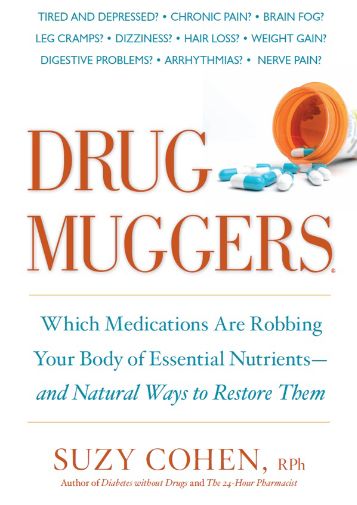
“Drug muggers” refers to medications that deplete essential nutrients in the body, potentially leading to deficiencies over time. These drugs, while therapeutic, can interfere with the absorption, metabolism, or excretion of vitamins and minerals. Understanding drug–nutrient interactions is important for healthcare providers, especially nurses, to ensure proper patient care and prevent complications.
Abstract
Drug-induced nutrient depletion, commonly described as “drug muggers,” is an important consideration in pharmacology and patient management. Many commonly prescribed medications, such as antibiotics, diuretics, and proton pump inhibitors, can reduce levels of key nutrients including vitamins (e.g., B-complex, vitamin D) and minerals (e.g., magnesium, potassium). These deficiencies may contribute to adverse effects, delayed recovery, or additional health problems if not identified early. Integrating knowledge of drug–nutrient interactions into the nursing process enables healthcare professionals to monitor patients effectively, provide dietary guidance, and recommend supplementation when necessary. This approach supports holistic care and improves overall treatment outcomes.